The beautiful scenery of The Land Has Eyes makes one feel like they are traveling, giving a good sense of the setting and where the characters live. The average atmosphere of the film is one of "healing," showing a strong sense of community, tradition, and the connection between people. The similarity of family structure and belief system was something we could relate to. Family bonds are very strong here; poverty forces family members to depend on each other, protect each other, and share burdens, which creates deep connections. Yet, the film lacks building a super deep connection between Viki and her family. It seems like there is a disconnect between Viki and her culture, and the film shows her trying to navigate that. Throughout the movie, you can feel how important culture is in this community.
The film also shows aspects of how western culture brainwashes native people and tries to take their culture, language, and land, even by educating young people with western norms. For instance, the English man was shown like a savior who can fix every problem. Of course he is someone who has power, but they could express that some other way. Still, the film shows that corruption exists even in a small village, while highlighting the importance of education, where the pen is symbolic for learning. The title of the film itself supports these themes of honesty and integrity.
The Land Has Eyes is about a woman warrior and aggressively deals with the growth of a woman. Viki represents the strength women have to never give up. Her objective of wanting to get the scholarship and go to Fiji is there, but with the historical and cultural narrative devices, the story is confusing. If she is the chosen one, why is she going to Fiji?
The film is quite sad and serious. Viki decides to find out the truth and save her father from being labeled a thief. This is similar to Korean society; in middle school, there are groups of bad children who always treat poor children poorly, and teachers participate. The ending of the film is surprising, strange and sad. It feels like a dream where everything seems to be on Viki's side, or perhaps it was her father's dream. The film tells us justice will always win in the end, but the last shots make it seem that justice comes from nature, which is a bit unsettling. But nature is the key point and refers to freedom. Showing Viki looking out at the ocean at sunset makes her seem connected to nature and shows the end of her past and the introduction of the new — maybe a new freedom for women. Whatever the case, the last shot of the film represents hope, symbolizing the warrior woman and how her spirit and energy live on through Viki.
(Gahyun, Maya, Haeun, Jiyoung, Zane, Joohee, Justin, Nawoo, Sinbi, Yoona, Hojune, Soojin, Yoo, Yingyue, Jae Yong, Samuel)
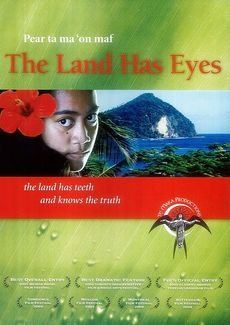
Theatrical poster
"The film feels like a beautiful story that tells us justice will always win in the end."
— Gahyun Ahn
"The Land Has Eyes shows that poverty forces family members to depend on each other, protect each other and share burdens, which creates deep connections."
— Yoo Lee
"In the film, nature is the key point and refers to freedom. Maybe freedom of women."
— Soojin Lee
A note on this essay: The collective response above was assembled from individual student journal entries written immediately after the screening. Entries were compiled and edited using AI to eliminate repetition, preserve disagreement, and honor each student's voice — reducing the total word count by 75%. The writing remains the students' own.